
Padel is officially the world's fastest-growing sport — and if you haven't played it yet, you are missing something remarkable. Part tennis, part squash, entirely addictive: padel combines the social energy of doubles play, the tactical richness of racket sports, and a uniquely forgiving learning curve that lets absolute beginners enjoy the game from their very first session.
The Sport That's Taking Over
In the span of a decade, padel has gone from a niche Latin American pastime to a global sporting phenomenon. The International Padel Federation (FIP) reports more than 25 million active players across 92 countries, with the greatest recent growth concentrated in Europe — particularly Spain, Italy, Sweden, the Netherlands, and the United Kingdom.[1] In Spain alone, padel overtook tennis in registered players before 2020, becoming the second most popular sport in the country after football.
What is driving this extraordinary growth? The answer lies in something that sounds deceptively simple: padel is genuinely fun from day one. Unlike tennis, where beginners often spend months frustrated by mishits and broken rallies before they can sustain a proper exchange, padel's smaller court, slower ball, and solid walls mean that a complete novice can enjoy long, satisfying rallies in their first-ever session. The sport delivers immediate pleasure — and immediate pleasure creates passionate, loyal players.
Understanding Padel: The Basics
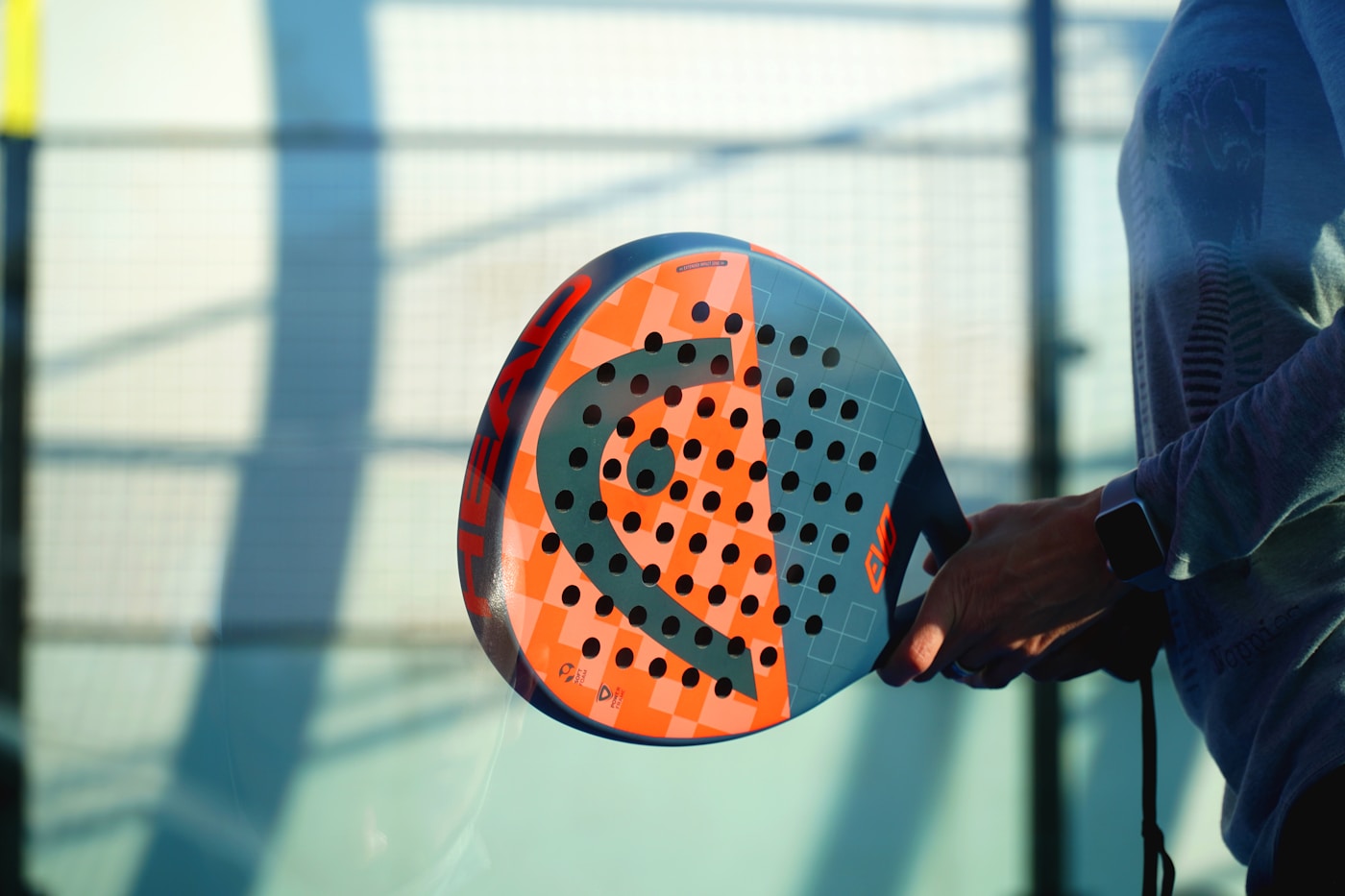
Padel is played in doubles (four players) on an enclosed court roughly one-third the size of a tennis court. The court is surrounded by glass and wire mesh walls, and the ball — similar to a tennis ball but slightly lower pressure — can legally be played off these walls after bouncing, similar to squash. Players use solid, stringless paddles with holes rather than strung rackets.
Scoring is identical to tennis: 15, 30, 40, game, set, match. Serves must be underarm and below waist height, which eliminates the most technically demanding shot in tennis entirely. Points are initiated gently and then won through clever wall play, positioning, and teamwork rather than raw power — making padel a sport where strategy and intelligence consistently outperform athleticism.
The Health Case for Padel
A Full-Body Cardiovascular Workout
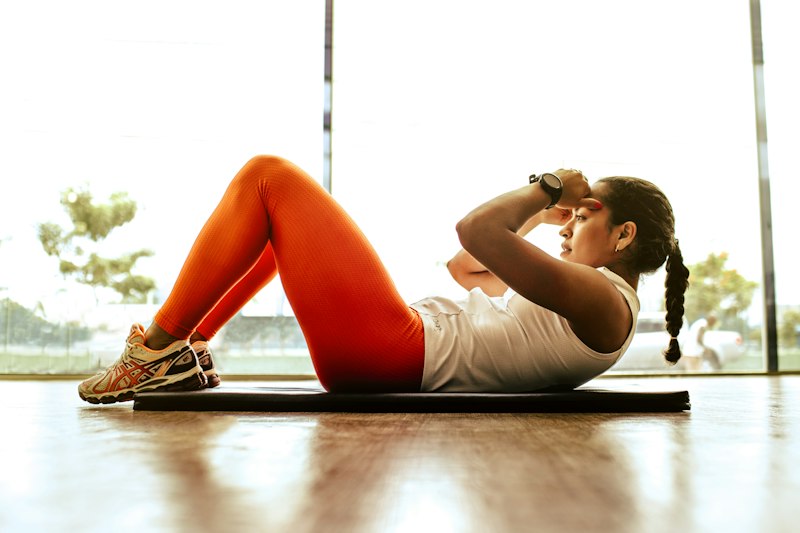
A study published in the Journal of Sports Sciences found that recreational padel players sustain heart rates equivalent to 80–85% of their maximum for much of a typical match — firmly in the aerobic training zone that produces meaningful cardiovascular adaptation.[2] A 60-minute session burns between 450 and 550 calories depending on intensity and body weight, comparable to an hour of cycling or swimming at moderate intensity.
Because points in padel are played continuously with brief inter-point recovery, the metabolic pattern mirrors interval training — alternating bursts of explosive lateral movement, sprinting, and leaping with short periods of rest. This structure is highly effective for improving VO₂ max and metabolic efficiency, as extensive sports science literature on HIIT protocols confirms.[3]
"Padel players show heart rate profiles and energetic demands broadly comparable to those recorded in other racket sports, with the added advantage that the social, doubles-only format appears to increase enjoyment and long-term adherence significantly."— Priego Quesada et al., Journal of Sports Sciences, 2021
Joint-Friendly and Injury-Resistant
One of padel's most underappreciated advantages is how gentle it is on the body relative to the workout it delivers. The underarm serve eliminates the overhead shoulder stress that causes so many tennis injuries. The smaller court means shorter sprints and less high-impact deceleration. The solid paddle generates less torque on the elbow than a strung racket, making padel significantly lower-risk for conditions like tennis elbow (lateral epicondylitis).[4]
This injury-friendliness makes padel particularly valuable for adults returning to exercise after a long sedentary period, those rehabilitating from upper limb injuries, and older players who want competitive sport without excessive joint stress. Physiotherapists across Europe are increasingly recommending padel as a structured, enjoyable route back into physical activity.[5]
Coordination, Reflexes, and Cognitive Sharpness
Padel's wall-play dimension adds a fascinating cognitive layer absent from most racket sports. Players must constantly calculate angles, anticipate ricochets, and decide in split-seconds whether to play a ball off the back glass or intercept it early. This demands rapid spatial processing and adaptive decision-making, engaging neural pathways associated with executive function and cognitive flexibility.[6]
Research on racket sports and cognitive health consistently finds that regular play is associated with improvements in reaction time, working memory, and inhibitory control — skills that decline with age and are strongly predictive of quality of life in older adulthood. Playing padel is, in a very real sense, exercise for the brain as much as the body.
The Social Engine of Padel
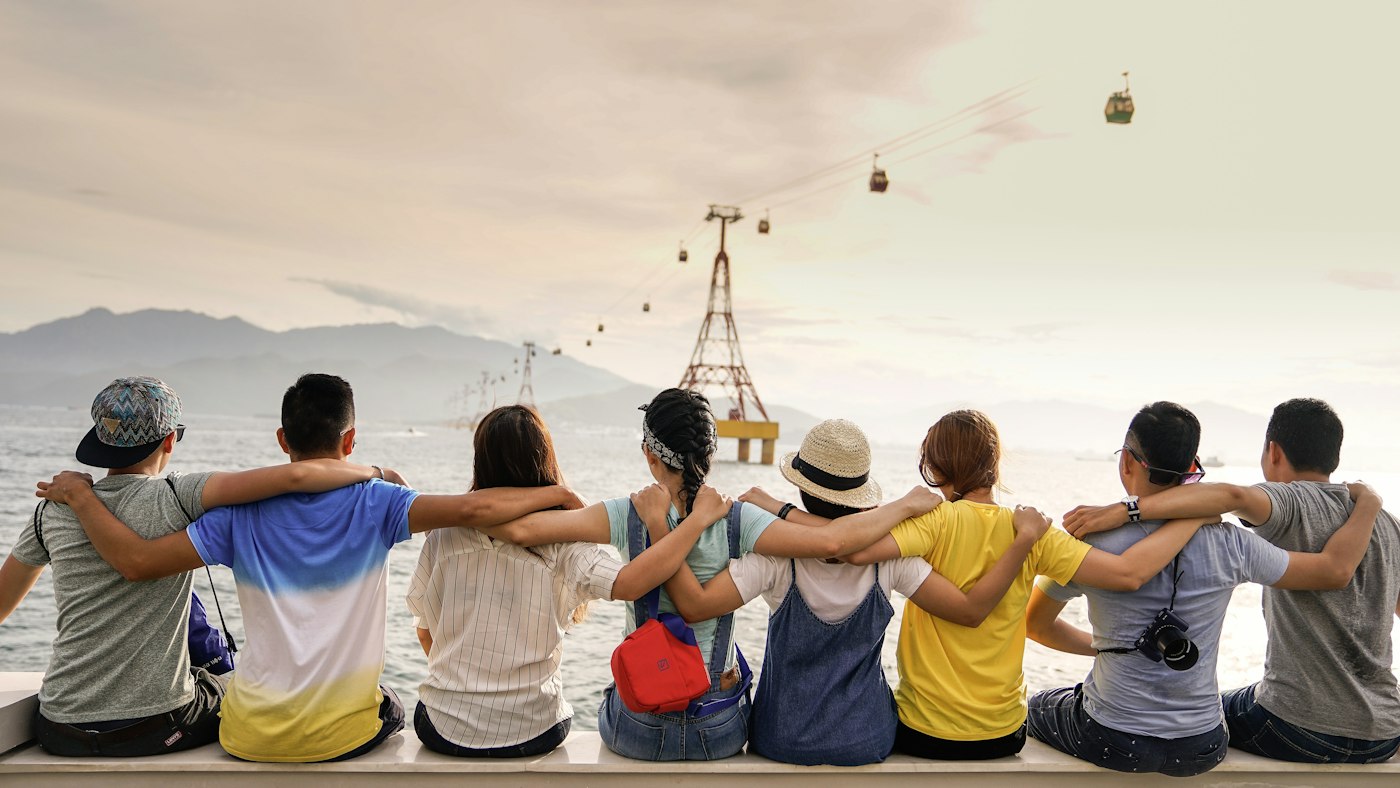
Ask anyone who plays padel regularly what they love most about it and the answer is almost never the fitness, the tactics, or the technique. It is the people. Padel is structurally, inescapably social: you cannot play it alone, you cannot play it in pairs (at the competitive level), and the compact court places four people in extraordinarily close, intimate proximity for the duration of the match. Laughter, communication, tactical discussion, and shared triumph are built into the format itself.
This social architecture has profound wellbeing implications. A 2023 meta-analysis in Social Science & Medicine confirmed that structured group physical activity produces significantly greater improvements in psychological wellbeing than equivalent solo exercise, primarily through its effect on social connectedness and sense of belonging.[7] Padel doesn't just deliver fitness — it delivers friendship.
The padel community is also notably welcoming to beginners. Unlike some sports cultures where novices feel intimidated or marginalised, padel clubs actively cultivate mixed-ability social sessions, round-robin formats, and beginner clinics that integrate new players quickly. The sport's global growth means there are new beginners everywhere — you will never be the only one.
How to Start Playing Padel
The path from complete beginner to regular player is shorter in padel than almost any other racket sport. Here is a practical guide:
Padel courts are proliferating rapidly across Europe and beyond. Most cities now have at least one dedicated padel centre; many tennis clubs have added padel courts to their facilities. Search your national padel federation's website for court finders.
A 60-minute group introductory session is the ideal entry point. A coach will cover grip, the underarm serve, basic positioning, and wall play fundamentals. You will be rallying comfortably by the end of the session.
Most padel clubs rent paddles. Don't invest in your own until you've played three or four times and know you enjoy it. When you do buy, a mid-range paddle (€50–120) is perfectly sufficient for a year or more of recreational play.
Once comfortable with basics, social sessions are the fastest way to improve and connect. You'll play with and against a rotating cast of partners, building tactical versatility and friendships simultaneously.
The World Padel Tour (now part of the Premier Padel circuit) produces outstanding broadcast content freely available online. Watching professionals reveals the elegance of high-level wall play and will rapidly refine your tactical understanding.
The motor patterns of padel — particularly wall play and the bandeja (overhead slice) — reward repetition. Players who manage three or four sessions in their first fortnight progress dramatically faster than those who space sessions two weeks apart.
Cost, Accessibility, and the Future
Padel is remarkably affordable relative to its social and physical value. Court hire typically costs €8–20 per person per hour at most European clubs — split four ways, this is comparable to a cinema ticket. A decent beginner paddle lasts two years or more. There are no membership fees if you prefer pay-and-play, though club memberships typically unlock better court access and the social ecosystem that makes the sport so rewarding.
The sport's infrastructure is expanding at an unprecedented rate. Europe alone added thousands of new courts between 2022 and 2025, driven by investment from sports property companies, gym chains, and municipalities recognising padel's public health value. Major cities including London, Paris, Milan, Amsterdam, and Stockholm have all seen padel centre openings become significant cultural moments. The sport is entering a golden age — and the best time to join a golden age is at its beginning.
The Honest Verdict
Padel will not make you a more skilled tennis player. It will not build the stoic, solitary mental toughness that singles tennis demands. It will not place you in the silence of a pristine grass court at dawn. If those are the things you seek, play tennis.
But if you want a sport that is immediately playable, physically demanding without being punishing, deeply social, tactically rich, and frankly — joyful — then padel might be the best decision you make this year. It is a sport that rewards intelligence over power, cooperation over individualism, and wit over brute force. It is, in that sense, a deeply civilised way to compete.
Pick up a paddle. Find three people you like. Book a court. The glass walls are waiting.
References & Further Reading
- International Padel Federation (FIP). Global Padel Report 2024. Madrid: FIP, 2024. padelfip.com
- Priego Quesada, J.I. et al. "Heart rate response and activity profile in padel." Journal of Sports Sciences, 2021; 39(15):1–8.
- Gibala, M.J. et al. "Physiological adaptations to low-volume HIIT." Journal of Physiology, 2012; 590(5):1077–1084.
- Pluim, B.M. et al. "The Epidemiology and Risk Factors of Injuries in Padel." British Journal of Sports Medicine, 2023.
- García-Giménez, A. et al. "Padel: analysis of the sport and its health benefits." Apunts Sports Medicine, 2022; 57(216).
- Diamond, A. "Executive Functions." Annual Review of Psychology, 2013; 64:135–168.
- Zou, L. et al. "Group vs. Individual Physical Activity and Psychological Wellbeing." Social Science & Medicine, 2023; 320:115756.