
Tennis is one of the oldest racket sports in the world — and arguably one of the most complete. Whether you are eight years old or sixty-eight, a complete beginner or someone returning after years away from the court, picking up a racket and learning to play tennis might be one of the best decisions you ever make for your body, your mind, and your social life.
A Sport for Every Body — and Every Age
One of the most persistent myths about tennis is that you need to start young to ever become any good. While it is certainly true that professional players like Carlos Alcaraz or Iga Świątek picked up a racket before they could read, recreational tennis is an entirely different proposition. The International Tennis Federation (ITF) estimates there are approximately 87 million tennis players around the world, and a significant share of them are adults who discovered the sport later in life.[1]
Tennis is genuinely age-inclusive. The sport can be adapted in pace, court size, and ball type (foam balls are a revelation for beginners) so that almost anyone can enjoy a rally from day one. Senior tennis leagues thrive across Europe, Asia, and the Americas, with competitive events for players well into their seventies and eighties. The biomechanics of the game encourage lifelong participation in ways that high-impact sports simply cannot.
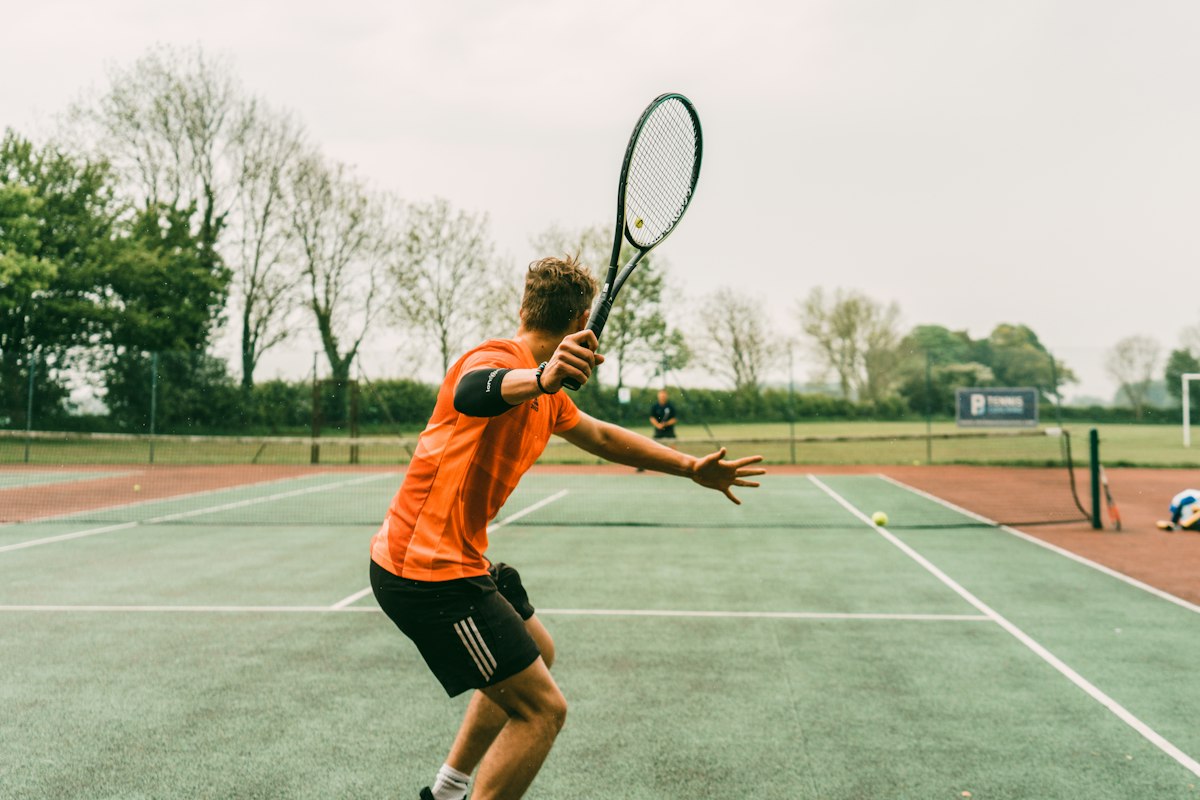
The sport is also wonderfully egalitarian when it comes to gender. Mixed doubles — where two men and two women share the court — is played at every level from local clubs to Wimbledon. Few team sports offer the same seamless blending of genders in genuinely competitive formats.
The Remarkable Health Benefits of Tennis
Ask most people why they should try a new sport and the conversation quickly turns to calories and cardiovascular health. Tennis delivers on both counts — but the story is considerably richer than that.
Cardiovascular Fitness and Longevity
A landmark study published in the British Journal of Sports Medicine followed more than 80,000 adults over 25 years and found that tennis players had a 47% lower risk of dying from any cause compared to sedentary individuals — a figure that outperformed running, swimming, and aerobics.[2] The researchers attributed this to the unique combination of aerobic exercise, coordination demands, and — crucially — the social nature of the sport. Loneliness is a well-documented risk factor for mortality, and tennis almost always requires a partner.
During a one-hour singles match, an amateur player can burn between 400 and 600 calories, depending on intensity and body weight. The interval nature of the exercise — short, explosive points interspersed with recovery — mimics the structure of high-intensity interval training (HIIT), which research consistently shows to be highly effective for cardiovascular adaptation and metabolic health.[3]
"Of all the racket sports, tennis was the only one associated with a significantly lower risk of all-cause mortality. The social engagement inherent in the game appears to be a critical factor."— Schnohr et al., British Journal of Sports Medicine, 2018
Full-Body Muscular Development
Tennis is a genuinely whole-body workout. Groundstrokes engage the legs, glutes, core, and upper back. Volleys demand quick footwork and wrist stability. The serve — biomechanically one of the most complex movements in sport — calls on the kinetic chain from the ground up: ankles, knees, hips, torso rotation, shoulder, elbow, wrist, and finally the snap of the racket head through the ball. Regular play builds functional strength across all these muscle groups in a way that feels like play rather than training.[4]
Bone Density and Joint Health
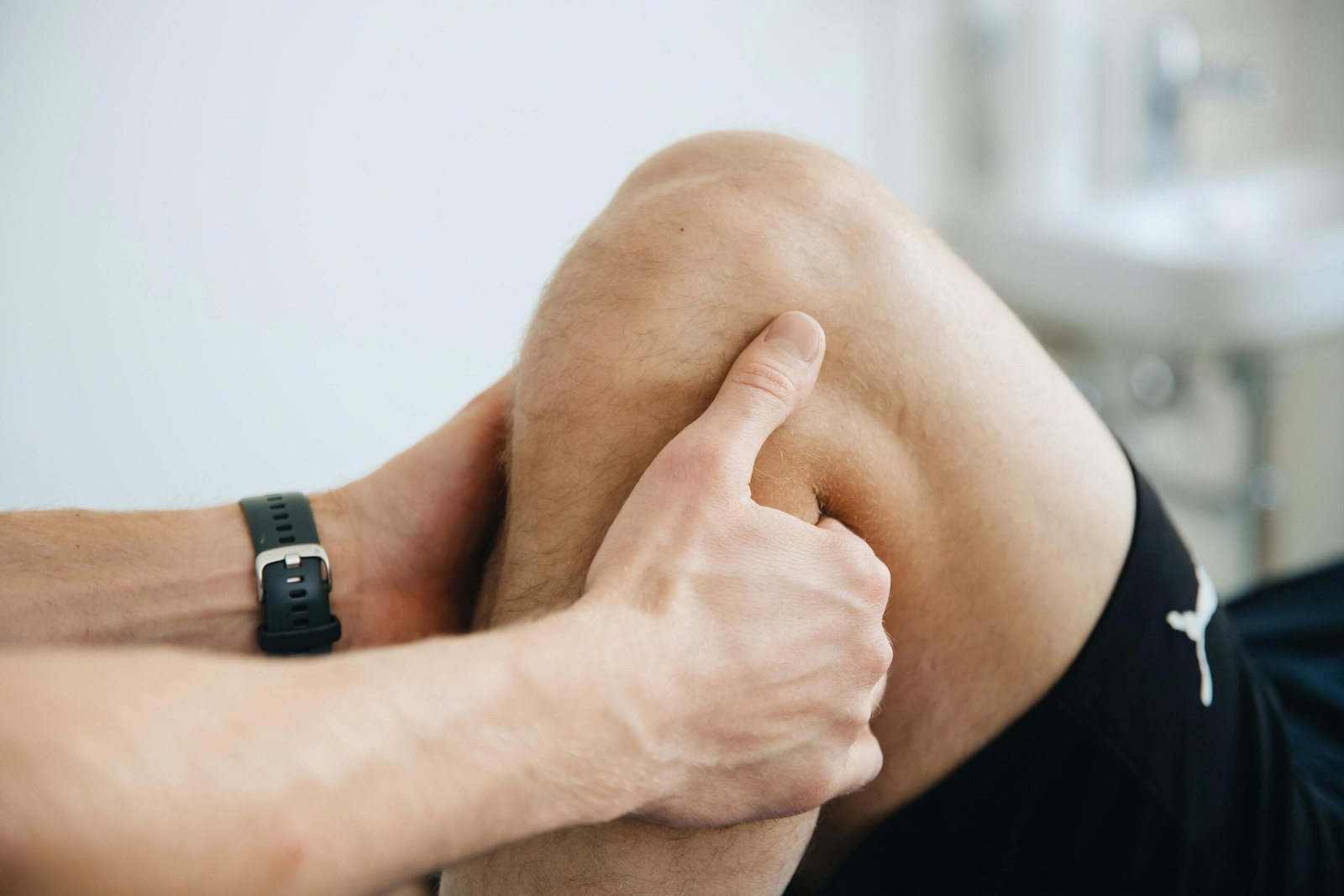
Weight-bearing exercise is essential for maintaining bone density, especially as we age. Tennis — with its lateral movements, direction changes, and impact loading — stimulates bone remodelling in the hips, spine, and lower limbs. Studies of long-term tennis players show significantly higher bone mineral density than age-matched sedentary controls.[5] And while any sport carries injury risk, tennis on clay or grass is comparatively gentle on the knees compared to running on asphalt.

Tennis Is a Sport of the Mind
Former world number one Billie Jean King famously described tennis as "a perfect combination of violent action taking place in an atmosphere of total tranquility." That paradox captures something important: tennis demands complete mental presence in a way that few recreational activities can match.
Every point begins with a problem-solving task. You must read your opponent's body language, anticipate the ball's trajectory, select a shot, execute it under pressure, and immediately reset for the next exchange — all within fractions of a second. Neurologists have described this as a form of dynamic cognitive loading, engaging working memory, spatial reasoning, and decision-making simultaneously.[6]
Mental Health and Stress Relief
The mental health benefits are equally well documented. A 2020 review in the journal Frontiers in Psychology found that racket sports players reported significantly lower rates of depression and anxiety compared to the general population, even after controlling for the benefits of exercise in general.[7] The focused attention tennis demands acts as a natural form of mindfulness — it is very difficult to ruminate about work deadlines when a 120 km/h serve is heading your way.
The rhythmic, repetitive aspects of practice — ball bouncing, serve mechanics, baseline rally drills — also have a meditative quality that many players describe as deeply restorative. The court becomes a sanctuary from the noise of modern life.
Discipline, Patience, and Resilience
Tennis teaches mental toughness in a uniquely direct way. Unlike team sports where individual errors can be absorbed by the collective, tennis is a sport of personal accountability. You win and lose as yourself. Learning to recover composure after losing a set, to maintain focus through a long match, and to trust your technique under pressure are skills that transfer remarkably well to professional and personal life. Many successful executives and athletes cite tennis as the sport that taught them how to compete.
A Global Community Waiting to Welcome You
Tennis clubs are among the most sociable sporting institutions in the world. Walk into almost any club — from a small municipal court in Zagreb to a historic grass club in London — and you will find a welcoming community of people who are passionate about the sport and delighted to introduce newcomers to it. Mixed-ability social sessions, beginner clinics, and ladder competitions mean that players of all levels can integrate quickly.
The sport's global footprint is extraordinary. Tennis is played on every continent, in virtually every country. If you learn to play, you carry a social passport with you wherever you travel. Turning up at a foreign club and asking for a game is one of the quickest ways to connect authentically with people from different cultures.
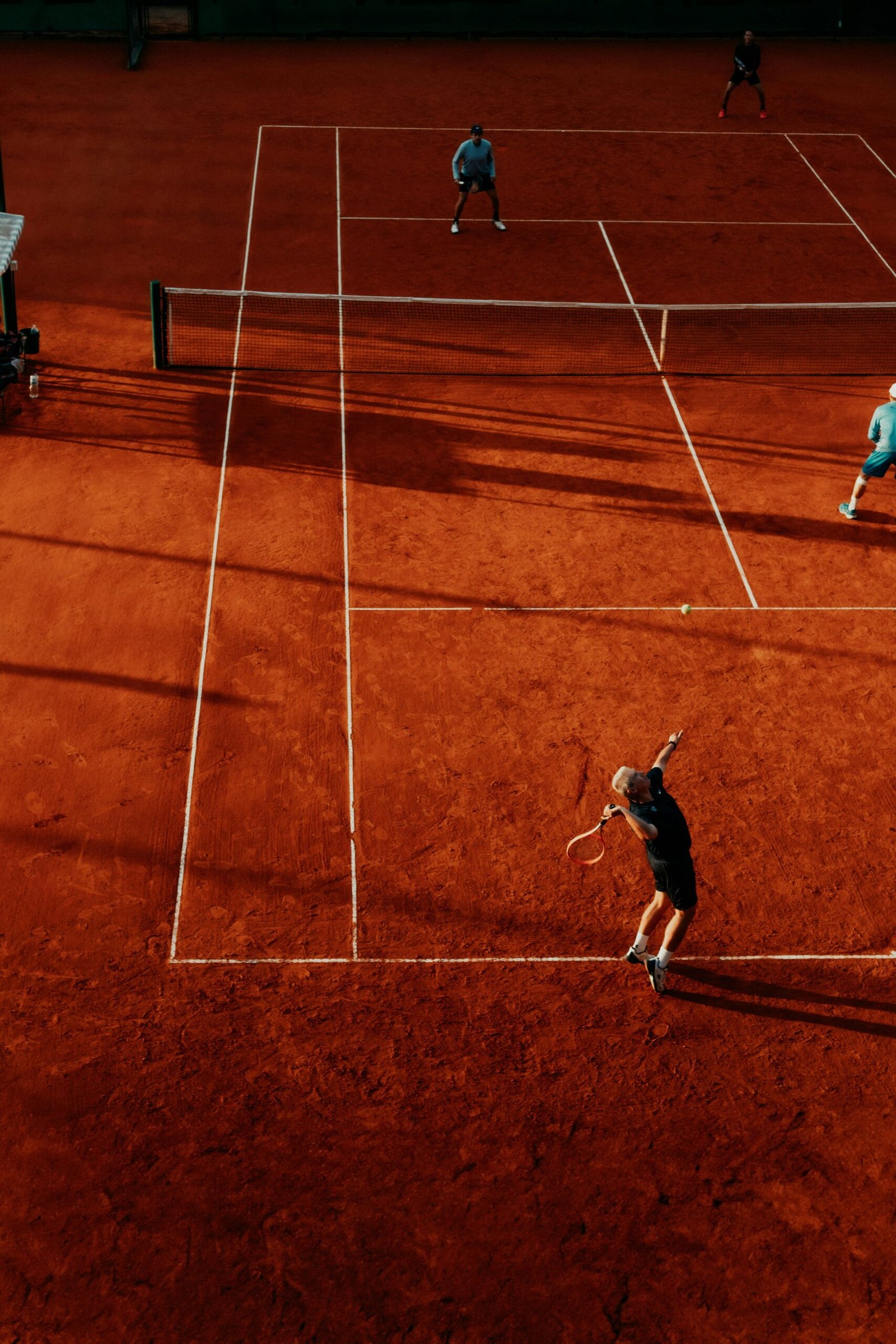
Doubles tennis deserves a special mention as a social vehicle. A doubles match involves four people, a shared tactical problem, and typically a meal or drink afterwards. Regular doubles partnerships and groups become genuine friendships. Research on adult friendship formation suggests that shared activity — particularly activity with a mild competitive element — is among the most reliable routes to deep social bonding in adulthood.[8]
How to Get Started: Practical First Steps
The barrier to entry for tennis has never been lower. Here is a straightforward path for any adult beginner:
- Find a lesson or beginner clinic. Private coaching accelerates progress enormously in the early stages by establishing correct grip, footwork, and swing mechanics. Most coaches offer packages of four to six lessons specifically designed for adult beginners. Group clinics are more affordable and have the added benefit of immediate social connection.
- Borrow or buy a basic racket. You do not need an expensive racket to start. A mid-range all-court racket (roughly €50–100) is more than sufficient for the first year of play. Ask your coach or a local pro shop for guidance on grip size — this matters more than brand or price.
- Use foam or low-compression balls initially. The ITF's 'Play + Stay' initiative introduced red, orange, and green stage balls that travel slower and bounce lower than standard balls. These are specifically designed for beginners and make learning to rally far less frustrating.
- Join a social session or ladder. Once you can sustain a basic rally, joining a club's social rotation is the single best way to accelerate improvement and embed yourself in the tennis community. You will face a wide range of playing styles and build tactical awareness rapidly.
- Be patient with the serve. The serve is the hardest skill in tennis to master and the one most beginners find demoralising. Treat it as a long project — years, not weeks — and focus on the fundamentals of toss placement and trophy position before worrying about pace or spin.
- Watch professional tennis. The Grand Slams — Australian Open, Roland Garros, Wimbledon, US Open — are four of the greatest sporting events in the calendar. Watching world-class players will inspire you, refine your tactical understanding, and deepen your love for the game.
The Economics of Tennis: More Accessible Than You Think
Tennis has an undeserved reputation as an expensive, elitist sport. The reality in 2025 is considerably more democratic. Public courts — often free or minimally priced — exist in most European and North American cities. Municipal clubs charge modest annual memberships. The ITF and most national federations actively subsidise beginner programmes through their Play + Stay initiatives.
Compare the ongoing cost of tennis — a racket that lasts years, a tin of balls, and perhaps a club membership — to gym memberships, golf, skiing, or cycling, and you will find it competes very favourably. The return on that investment, in physical and mental health terms, is extraordinary. A study estimated that the healthcare cost savings from regular tennis play could amount to several hundred euros per player per year in reduced medical utilisation.[9]
One Final Reason: It Is Simply Beautiful
All the science and statistics in the world cannot fully capture why tennis endures as one of humanity's great sports. There is something genuinely beautiful about a perfectly timed backhand down the line, a delicate drop shot that dies in the front court, or a serve that clips the tape and catches the corner. Tennis rewards elegance. Players who move well and hit cleanly almost always outperform those who rely on power alone.
There is also the court itself. A freshly painted hard court in the morning light. The red dust of Roland Garros. The cathedral green of Wimbledon. The floodlit theatre of the US Open. Few sports place their practitioners in settings as quietly magnificent as tennis does.
Pick up a racket. Find a court. Give it six weeks of genuine effort. The odds are very high that by the end of those six weeks you will have found not just a sport, but a practice — one that will stay with you for the rest of your life.
References & Further Reading
- International Tennis Federation (ITF). Global Tennis Report 2023. London: ITF, 2023. itftennis.com
- Schnohr, P. et al. "Various Leisure-Time Physical Activities Associated with Widely Divergent Life Expectancies: The Copenhagen City Heart Study." British Journal of Sports Medicine, 2018; 52(9):534–540. bjsm.bmj.com
- Buchheit, M. & Laursen, P.B. "High-Intensity Interval Training, Solutions to the Programming Puzzle." Sports Medicine, 2013; 43(5):313–338.
- Roetert, E.P. & Kovacs, M. Tennis Anatomy. 2nd ed. Champaign: Human Kinetics, 2019.
- Dook, J.E. et al. "Exercise and bone mineral density in mature female athletes." Medicine & Science in Sports & Exercise, 1997; 29(3):291–296.
- Verburgh, L. et al. "Physical Exercise and Executive Functions in Preadolescent Children." British Journal of Sports Medicine, 2014; 48(12):973–978.
- Gomes, M. et al. "Racket Sports and Psychological Well-Being: A Systematic Review." Frontiers in Psychology, 2020; 11:article 532.
- Lyubomirsky, S. & Layous, K. "How Do Simple Positive Activities Increase Well-Being?" Current Directions in Psychological Science, 2013; 22(1):57–62.
- Oja, P. et al. "Health benefits of different sport disciplines for adults." British Journal of Sports Medicine, 2015; 49(14):920–927.